Polycarbonate Strength Trial
An exhaustive evaluation of high-load mechanical performance and thermal processing requirements for industrial PC filament.
Direct Performance Metrics of PC Load Capacity
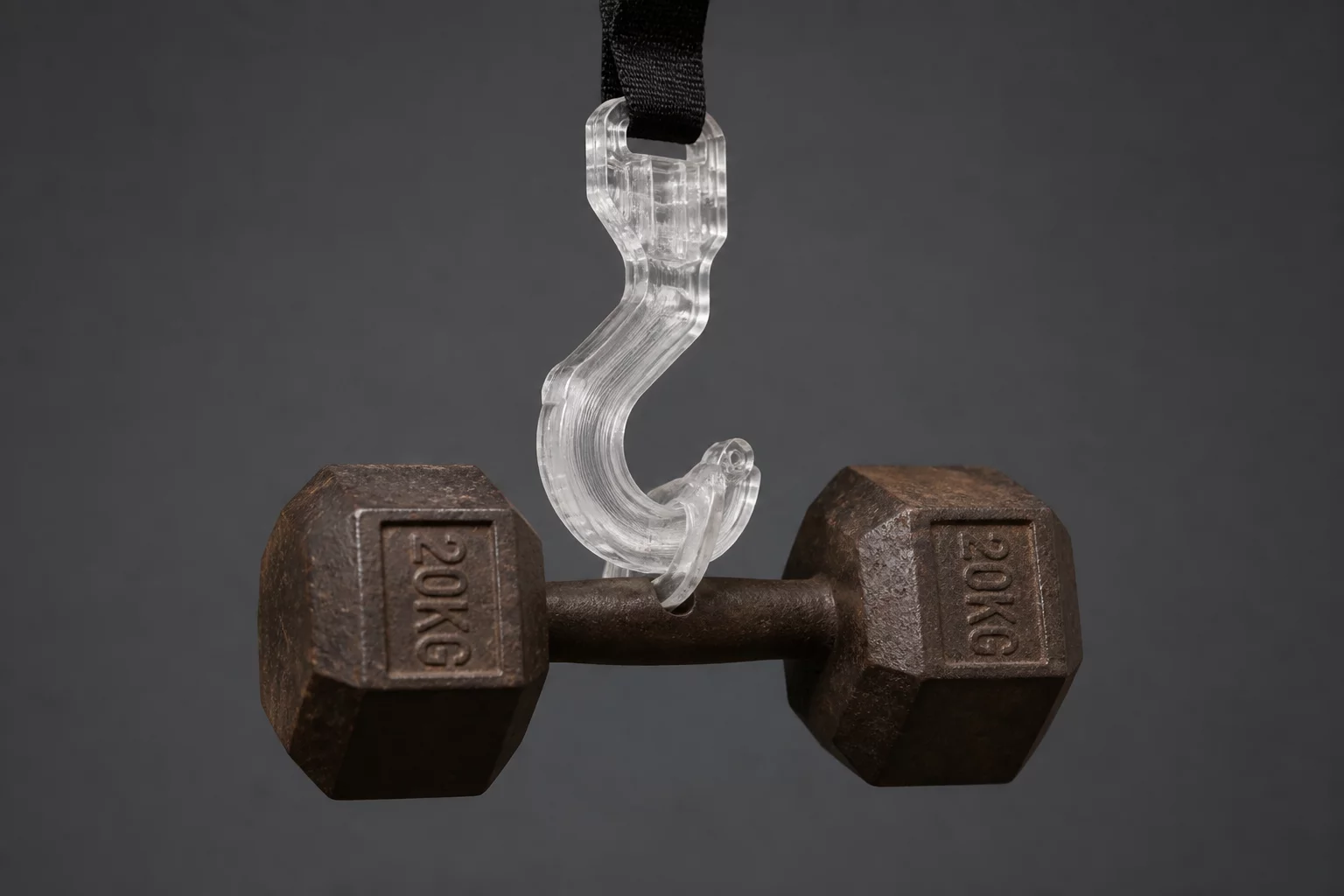
Polycarbonate (PC) provides superior mechanical strength for FDM 3D printing, achieving tensile strength averages near 68 MPa in structural trials. Its extreme toughness and thermal stability make it the preferred choice for industrial prototypes that demand high impact resistance, although its susceptibility to warping requires a strictly controlled environment. During testing, PC specimens absorbed significantly more energy before failure compared to standard ABS or PETG counterparts.
Impact Resistance and Energy Absorption
One of the standout observations in this trial was the material's response to dynamic loading. Unlike brittle resins or highly crystalline plastics, polycarbonate undergoes considerable plastic deformation rather than shattering. Specimens subjected to high-velocity impact tests remained functional with only localized deformation. This characteristic is vital for safety components, such as protective covers or mechanical housings, where catastrophic fracture must be avoided at all costs.
Solving the Delamination Problem
Maximum structural integrity in PC prints is almost entirely dependent on thermal management. This trial highlighted that extrusion temperatures below 270°C lead to poor intermolecular bonding between layers. By increasing the hotend to 285°C and maintaining a build chamber temperature of 85°C, we reduced delamination risks significantly. Without these specific parameters, internal stresses cause the printed layers to pull apart during cooling, resulting in a fragile part that fails prematurely along the Z-axis.
Practical Application Guidelines
For engineering teams moving from PLA to Polycarbonate, the build plate preparation is critical. We achieved the best results using a PEI-coated surface combined with a high-strength adhesive. A minimum 15mm brim is mandatory to combat the massive shrinkage forces inherent to the material. Additionally, slow print speeds—averaging 30mm/s for outer walls—ensure that each new layer has sufficient time to fuse with the previous one, creating a near-monolithic internal structure.
Trial Discussion
1No detailed observations have been recorded yet. Be the first to add context to this trial.
Add to the Context
To leave a comment, please log in to your account.