ASA UV Resistance Report
An in-depth evaluation of Acrylonitrile Styrene Acrylate weathering properties, tensile strength retention, and color degradation under 1,000 hours of continuous UV-A exposure.
Executive Summary: ASA Weathering Performance
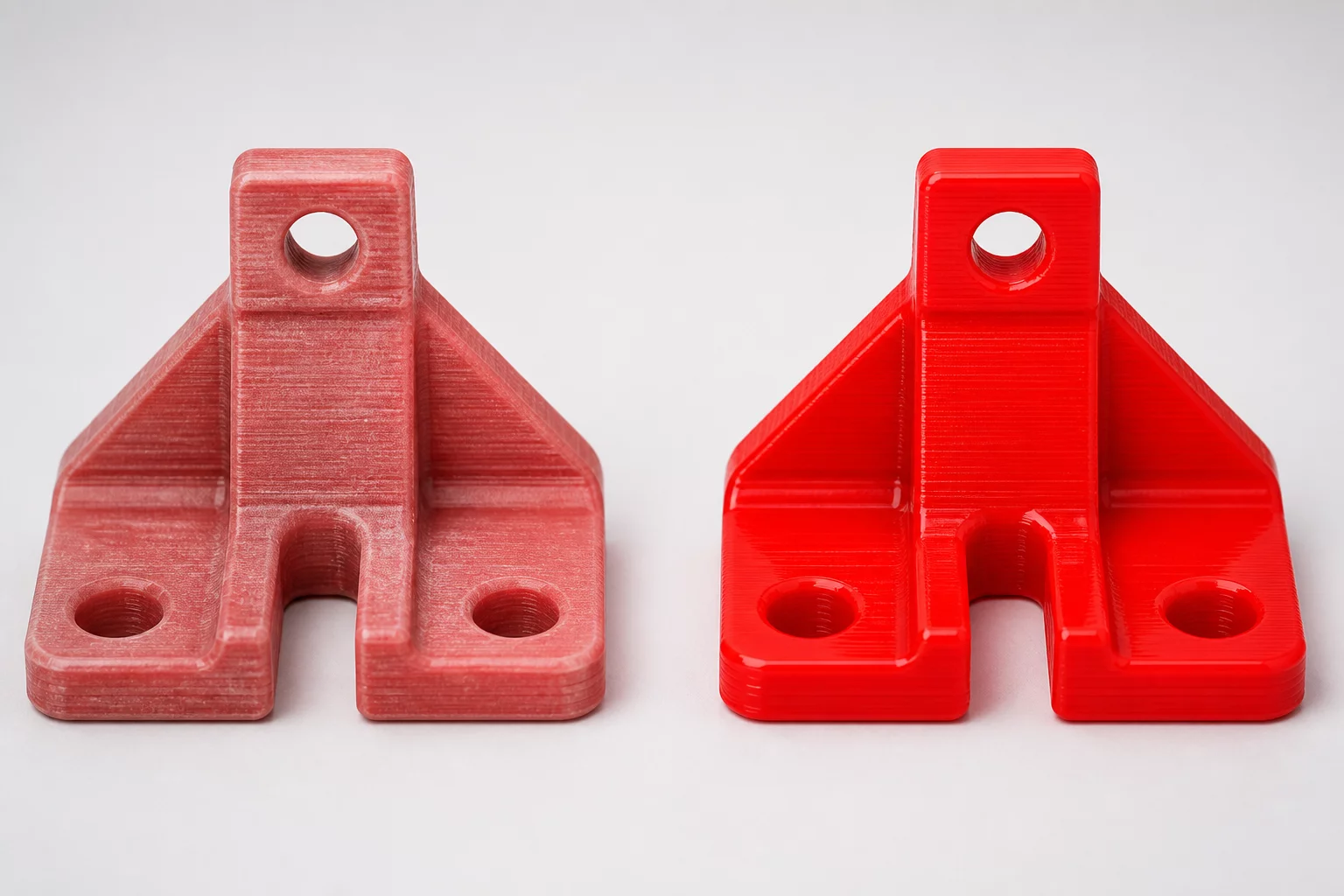
Acrylonitrile Styrene Acrylate (ASA) represents a major advancement in weather-resistant 3D printing filaments. Outdoor applications demand materials that withstand solar radiation without losing mechanical strength or shifting colors. This trial report evaluates the structural stability, tensile retention, and color degradation of ASA test specimens after 1,000 hours of continuous ultraviolet (UV) exposure inside a simulated weathering chamber.
Test Parameters and Methodology
For this evaluation, we printed standard tensile bars on an UltiMaker printer using a 0.4mm brass nozzle and a 0.2mm layer height. The chamber maintained a constant temperature of 50 degrees Celsius, exposing the specimens to UVA-340 lamps with an irradiance of 0.89 W/m². This setup mimics approximately one year of direct mid-latitude solar exposure. Mechanical properties were evaluated using tensile testing equipment at regular 250-hour intervals.
Key Findings and Structural Analysis
The test specimens demonstrated exceptional retention of physical properties compared to standard ABS. The following observations summarize the key results:
- Tensile strength remained at 92% of the baseline value after 1,000 hours of UV exposure.
- Color stability index (Delta E) shifted by only 1.4, showing no visible yellowing.
- Impact resistance dropped by 15%, which is normal for polymers under radiation.
- Specimen surface retained its original matte texture without signs of micro-cracking.
Comparison with ABS and Polycarbonate
While ABS becomes brittle and yellows within 200 hours under identical conditions, ASA retains its polymer chain integrity due to the replacement of butadiene rubber with an acrylic ester elastomer. Polycarbonate, though stronger initially, lacks natural UV blockers and suffers severe micro-fractures on the surface, which leads to premature structural failure in outdoor applications.
Handoff Notes for Outdoor Engineering
Engineers design outdoor enclosures, automotive trim, and sensor housings using ASA due to these weathering characteristics. We recommend printing with a slightly higher extrusion temperature (around 260 degrees Celsius) and utilizing an enclosed printer to prevent layer warping during the print cycle. This ensures maximum interlayer adhesion, which protects the part from mechanical shearing under environmental stress.
Trial Discussion
0No comments yet. Be the first to share your critical observations from your own ASA trials.
Add to the Context
To leave a comment, please log in to your account.