Temperature Adjustments Context
Documenting heat shifts isn't just about noting a number. It's about understanding how thermal dynamics dictate the structural integrity and aesthetic quality of your 3D printed iterations.

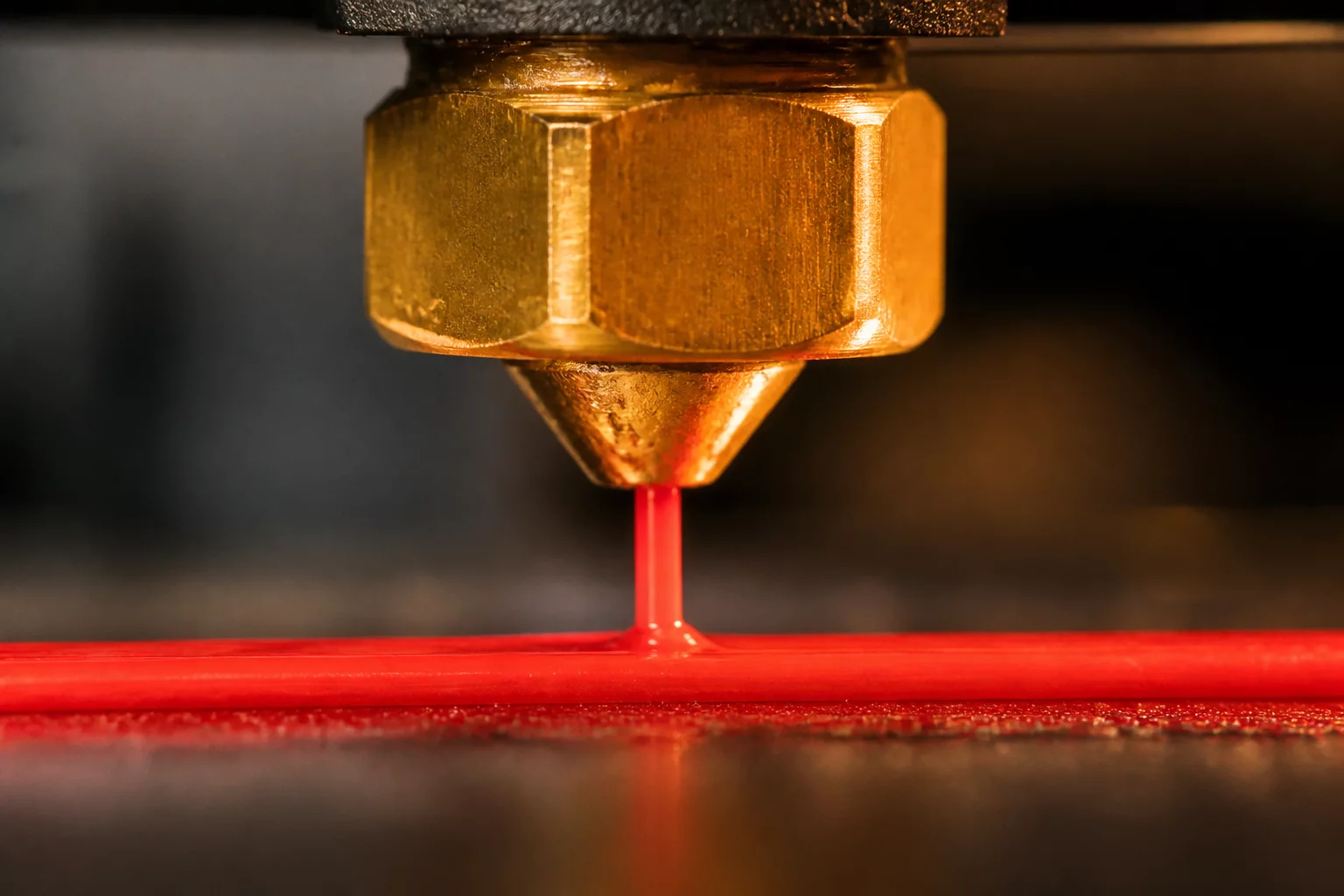
Temperature adjustments in 3D printing trials serve as the most fundamental yet complex variable in achieving high-quality parts. A single shift of five degrees can be the difference between a brittle, under-extruded component and a perfectly bonded functional tool. In this context, heat management acts as the control mechanism for material viscosity, adhesion, and overall structural resolution.
The Logic of Thermal Increments
When documenting temperature trials, it is tempting to jump in large increments. However, professional engineering trials usually progress in 5°C steps. This precision allows the team to pinpoint the exact window where the polymer transitions from being too viscous (causing poor flow) to being too fluid (leading to stringing or oozing).
- Under-heating: Results in matte surfaces and weak interlayer bonding. The nozzle might jam as the drive gears struggle to push colder filament.
- Over-heating: Leads to glossy finishes, excessive stringing, and "cooking" the material inside the nozzle, which can lead to carbonized clogs.
Material-Specific Thermal Behavior
Each material type responds uniquely to temperature shifts. While PLA has a broad window, specialized materials like PETG or ABS are highly sensitive to even minor variances. Documenting the ambient temperature of the workspace is often neglected but critical, as a drafty room can effectively lower the nozzle's impact on the part.
For high-performance polymers, the cooling fan dynamics must also be recorded alongside the temperature. A nozzle set at 230°C with 100% cooling creates a significantly different material bond than the same temperature with 0% cooling. This intersection is where most trial failures occur.
Documenting the Handoff
When passing results to production, the context must include the nozzle material. A brass nozzle transfers heat faster than a stainless steel or ruby-tipped nozzle. If the trial was done on brass but production uses steel, the temperature usually needs a 5-10 degree boost to compensate for the lower thermal conductivity of the harder metal.
"Always record the specific nozzle diameter and material alongside your temperature data. A successful trial on a 0.4mm brass nozzle rarely translates directly to a 0.8mm steel nozzle without thermal context adjustments."
Trial Discussion
0No comments yet. Be the first to leave a comment about your thermal adjustment experiences.
Add to the Context
To leave a comment, please log in to your account.