Support Structure Logic
Master the technical nuances of support generation to balance surface quality, printing stability, and ease of removal in complex additive manufacturing trials.
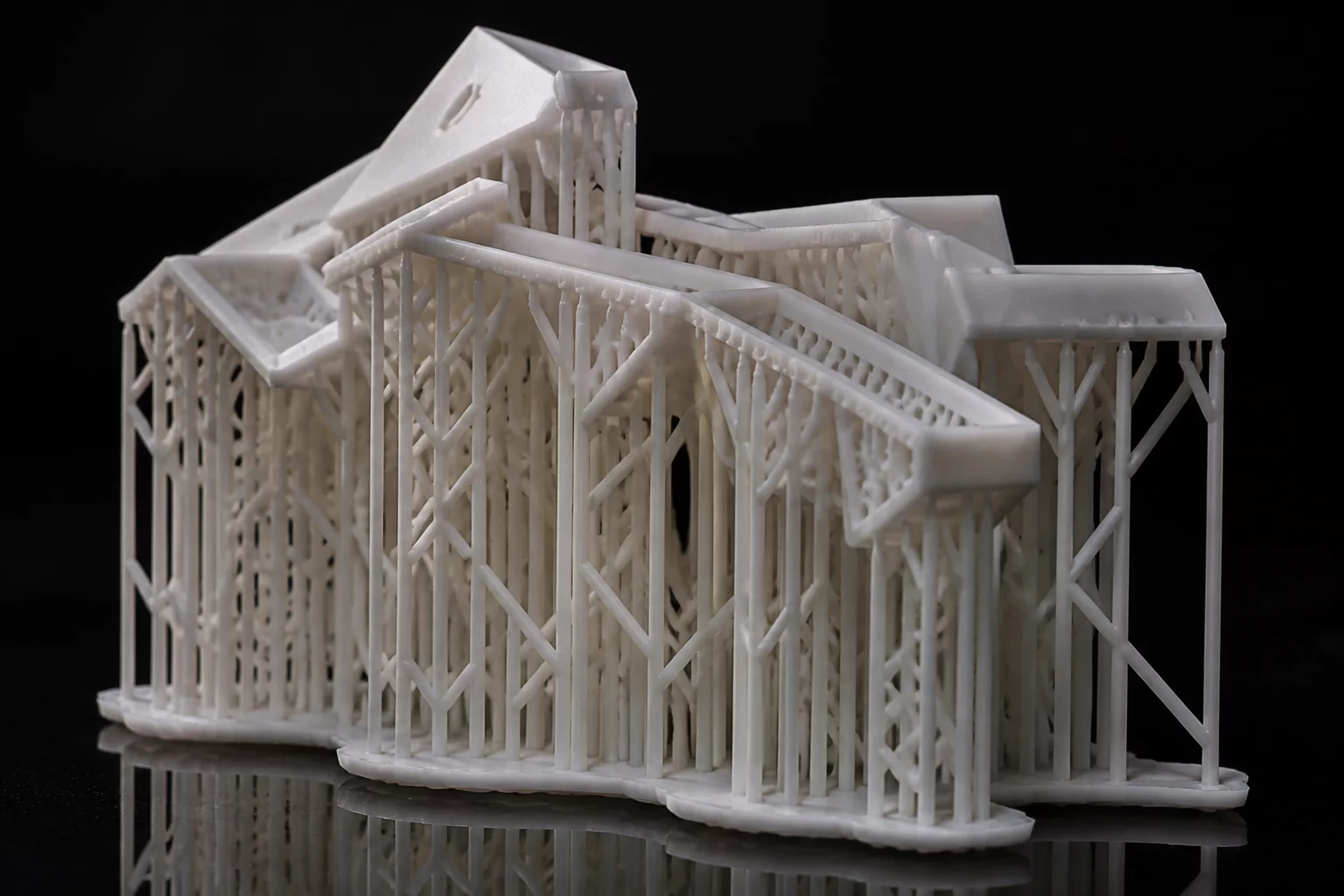
Support structure logic is the technical foundation that dictates where and how sacrificial material is applied to stabilize overhangs and bridges. In 3D printing, gravity requires that any layer extending beyond the footprint of the previous layer needs physical reinforcement once a critical angle is surpassed. Optimizing this logic is essential for reducing material waste while preserving the integrity of the primary part's surface finish.
Determining Overhang Thresholds
The most common starting point for support logic is the "overhang angle." While many slicers default to 45 degrees, the actual threshold depends heavily on the interaction between material cooling and print speed. High-performance fans allow engineers to successfully print angles up to 60 or even 70 degrees without significant sagging. Calibrating this value reduces the number of support structures, leading to faster print times and fewer post-processing requirements.
Support Interface Optimization
The interface layer acts as a crucial buffer between the dense support pillar and the model itself. A frequent error in trial iterations is using 100% density for this interface, which often leads to permanent fusion. Instead, a density of 30-50% with a concentric pattern creates a supportive roof that allows for clean removal. The top Z-gap should be precisely calibrated, typically set to one or two full layer heights, to provide enough separation for easy mechanical removal while still providing adequate vertical support.
Branching Logic: Tree vs. Standard Structures
Different geometries require different support topologies. Tree structures use branching logic to grow from the build plate toward the overhang, effectively avoiding contact with the sides of the model. This makes them ideal for organic prototypes or models where scarring on vertical walls is a critical failure. Standard grid or zig-zag supports provide superior stability for large, flat overhangs but are considerably more difficult to remove and often leave more noticeable marks on the surface.
Material Compatibility and Thermal Shrinkage
Every material demands a specific logic. PLA, known for its brittleness, usually snaps away cleanly even with minimal gaps. In contrast, PETG has high interlayer adhesion and will fuse to supports if the temperature and gap settings are not adjusted perfectly. Furthermore, materials like ABS require support logic that accounts for thermal shrinkage, ensuring the structures themselves do not pull away or warp before the print completes.
Trial Discussion
0No observations yet. Be the first to add context to this trial.
Add to the Context
To leave a comment, please log in to your account.