Retraction Settings Impact
Evaluating the critical balance between filament control and hardware longevity in high-precision FDM trials.
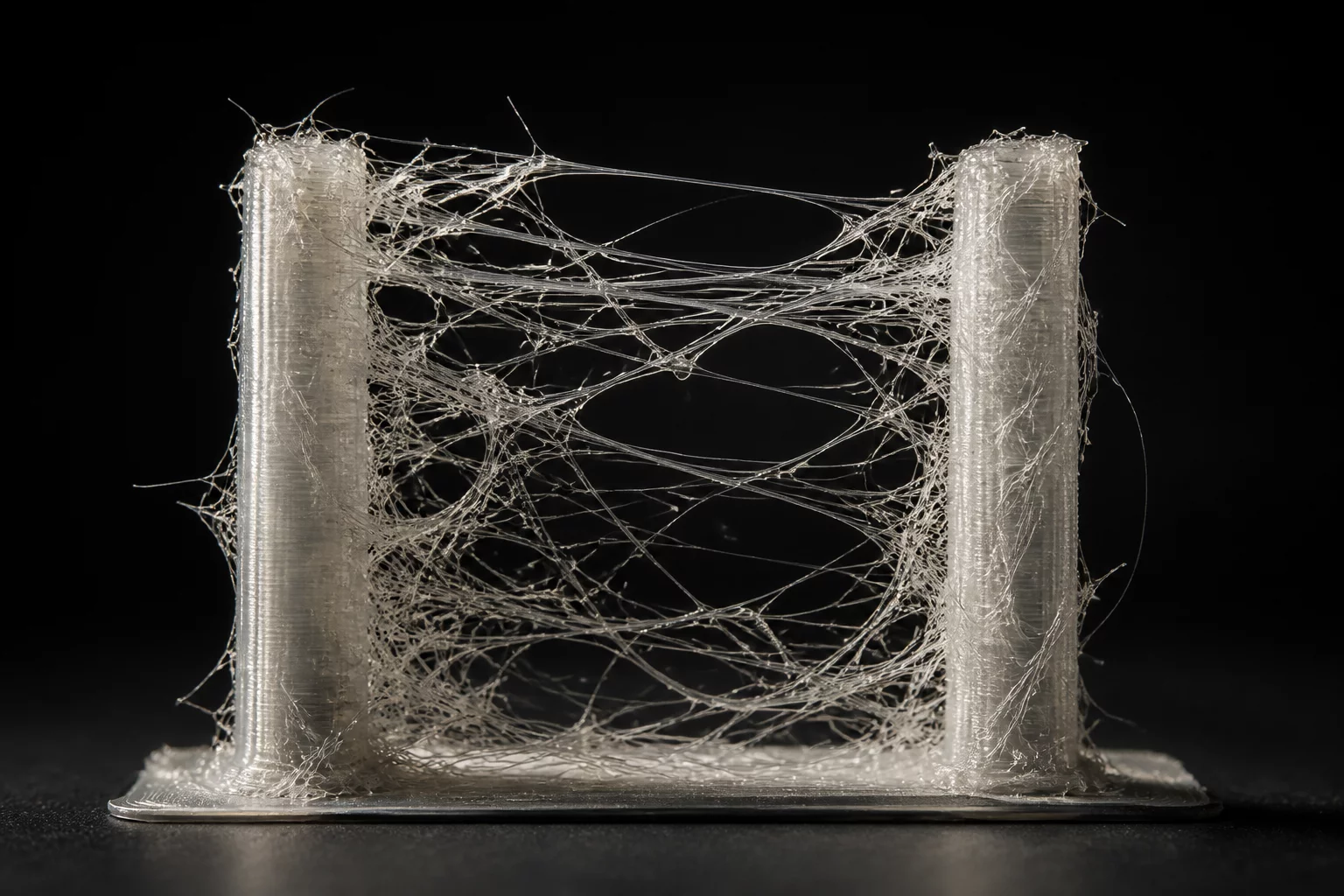
Retraction is the critical process of pulling filament back into the extruder assembly during non-printing moves to mitigate unwanted material flow. In industrial engineering trials, retraction settings aren't just about surface finish; they are vital for structural integrity and minimizing post-processing waste. An incorrectly calibrated retraction sequence can lead to stringing, internal voids, or mechanical failure of the extruder itself, making it a cornerstone of high-fidelity FDM trial documentation.
The Mechanics of Retraction in Trial Contexts
Retraction distance defines the exact amount of filament retracted during a travel move. Direct-drive extruders generally operate within a 0.5mm to 2.0mm range, while Bowden-style configurations require significantly higher values—often up to 6.0mm—to compensate for the elasticity and play within the feed tube. During a trial, recording the exact distance is essential because excessive retraction can pull molten plastic into the cold zone, leading to immediate thermal-related clogs.
Key Parameters: Speed and Minimum Travel
Retraction speed dictates the velocity at which the filament is withdrawn. While high speeds snap the molten plastic flow effectively, they also increase the risk of the drive gears grinding the filament surface. Once the filament is ground down, it loses traction, leading to under-extrusion in subsequent layers. Minimum travel settings further refine this by preventing unnecessary retractions over very short distances, which reduces overall mechanical wear on the extruder hardware during complex geometric trials.
Common Failure Modes and Mitigation Strategies
Materials like PETG and TPU present unique challenges. PETG is notoriously "syrupy" and requires aggressive retraction combined with coasting—a setting where extrusion stops shortly before a path ends. Conversely, TPU, being flexible, acts like a compressed spring inside the extruder. Over-retracting TPU often results in filament buckling. For successful industrial trials, documentation must include the specific material response to these settings to ensure long-term production reliability and repeatability across different hardware platforms.
Trial Discussion
0No observations have been recorded for this trial yet. Be the first to add technical context to this report.
Add to the Context
To leave a comment, please log in to your account.