Writing Useful Trial Conclusions
Transforming raw printing data into actionable engineering insights for smoother production handoffs and iterative design improvement.
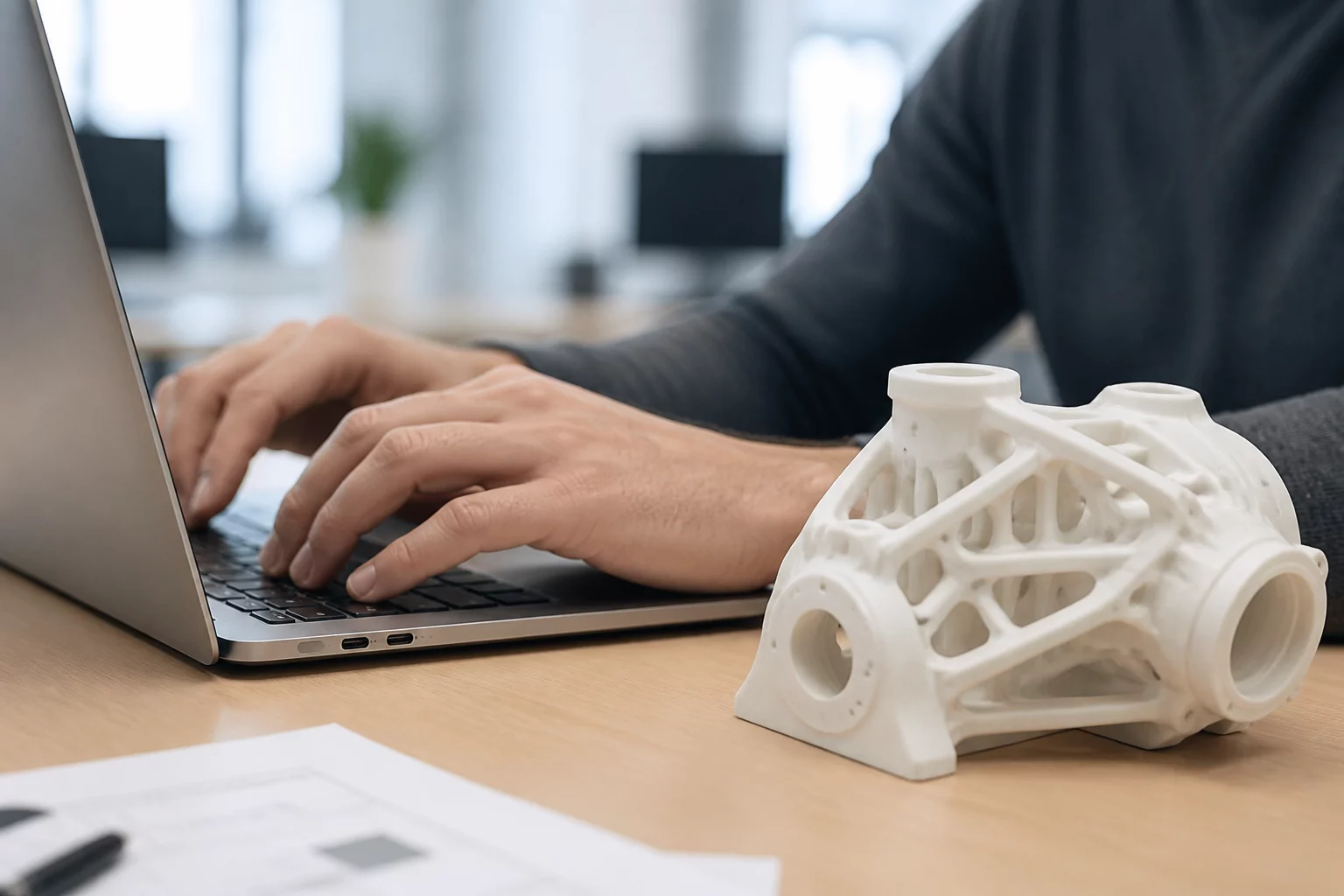
The conclusion of a 3D printing trial is where raw observational data transforms into actionable engineering wisdom. It acts as the final judgment on whether a specific configuration change—such as a 5-degree temperature reduction or a 10mm/s retraction speed adjustment in UltiMaker Cura—actually achieved its intended purpose. Without a strong conclusion, the entire trial remains a collection of disconnected notes that other team members might struggle to interpret during a production handoff.
The Anatomy of an Actionable Conclusion
A useful conclusion must go beyond simple binary outcomes like "it worked" or "it failed." It needs to address the delta between the expected result and the actual physical artifact. High-quality summaries usually focus on three distinct areas: technical validation, causal link analysis, and the decision mandate. It tells the reader what happened, why the settings caused it, and what to do next.
- Success Delta: Quantify how much closer the part is to the design objective compared to the previous revision.
- Causal Mapping: Directly attribute specific visual results (like reduced stringing) to specific slicer changes (like increased retraction distance).
- Environmental Notes: Mention external factors like ambient humidity or material batch variations that might have influenced the outcome.
Why 'Pass/Fail' is Insufficient for Production
In additive manufacturing, a "failed" print often provides more value than a successful one if the conclusion captures the failure mode correctly. If a part warps, the conclusion shouldn't just record the warping; it should analyze the adhesion patterns and temperature gradients. This allows the next engineer to avoid repeating the same mistake. When you simply mark a trial as a failure without context, you lose the opportunity to learn which specific variable pushed the process outside its stable operating window.
Connecting Slicer Variables to Physical Outcomes
Every useful conclusion should serve as a bridge back to the software environment. If you adjusted the cooling fan dynamics, the conclusion must state if the bridging performance improved at the cost of layer adhesion. This helps in building a comprehensive understanding of the tradeoffs involved in high-speed or high-strength printing. It is not just about the final part; it is about documenting the settings that made that part possible.
Trial Discussion
15James D. Sterling
07/27/2026We've struggled with 'it looks okay' conclusions for months. Standardizing the success delta approach you mentioned has already improved our team communication. It forces everyone to be specific.
Add to the Context
To leave a comment, please log in to your account.