Open Questions Before Another Trial
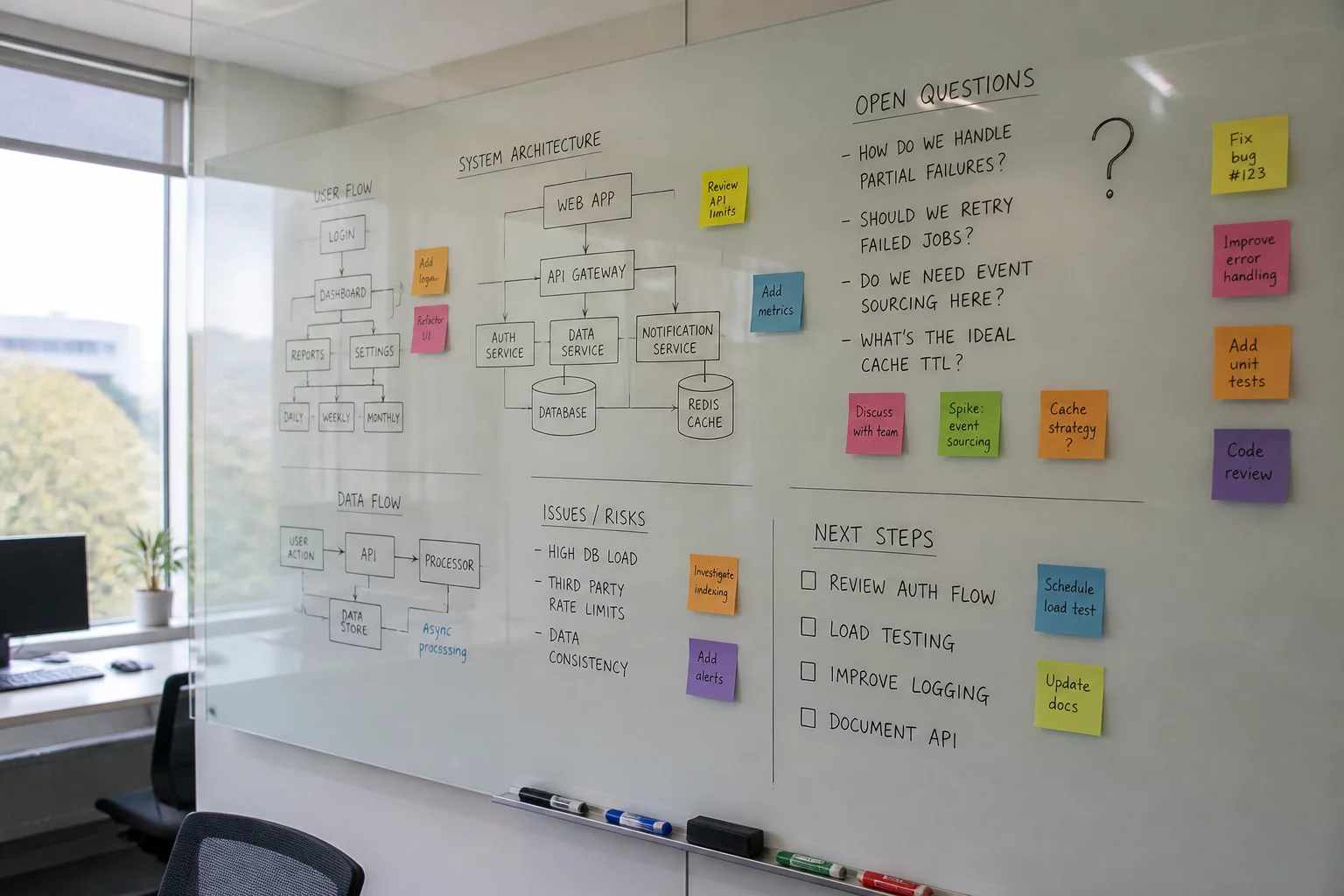
Before launching another print iteration, pausing to ask the right technical questions can save hours of material and machine time.
The Strategic Importance of Pre-Trial Questioning
Every failed 3D print carries a hidden cost that extends beyond the price of a few grams of plastic. It consumes machine hours, delays production schedules, and can lead to team frustration if the failure reason remains ambiguous. Before you hit "print" on your next revision in UltiMaker Cura or any other slicer, you must interrogate the objective. Many engineers fall into the trap of changing three settings at once, hoping for a fix. This "shotgun approach" makes it impossible to know which adjustment actually solved the problem or, more commonly, which one created a new conflict.
Four Critical Questions for Every Technician
Ask these questions out loud or record them in your trial log to ensure the data you collect is actually useful for the next production handoff.
- What is the single isolated variable for this run? If you are testing retraction speed, do not also change the nozzle temperature. Focus on one lever at a time to maintain a clean control group.
- Is the build plate in a documented state? A bed leveled two days ago might not be leveled today. Thermal expansion and mechanical vibration are constant factors. Ensure the physical environment matches the digital settings.
- How does this iteration differ from the baseline? Always keep a "Gold Standard" print nearby. Compare the new trial against the baseline, not just against the previous failed attempt. This prevents "quality drift" where each iteration gets slightly worse in different ways.
- What is the specific success metric? "Looking better" is not a technical observation. Define success as "Zero stringing between towers A and B" or "Dimensional accuracy within 0.1mm on the X-axis."
Accounting for Environmental Noise
It is easy to blame the slicer settings when the culprit is actually the room itself. Check if the filament spool has been sitting out in high humidity. Moist nylon or PETG will ruin a trial regardless of how perfect your retraction settings are. Verify the cooling fans are spinning at the requested RPM and that there are no drafts in the workshop. These external factors often mask the true impact of your software adjustments, leading to "ghost" problems that seem to disappear and reappear without reason.
Documenting the Logic
The most important part of the trial happens before the first layer is laid down. By writing down your open questions, you create a trail of logic that other team members can follow. When a trial fails, the documentation of what you were trying to solve is often more valuable than the failed part itself. It prevents someone else from repeating the same mistake tomorrow.
Trial Discussion
0There are no observations recorded for this trial yet. Be the first to add technical context.
Add to the Context
To leave a comment, please log in to your account.