
How to Compare Revision Context
Understanding the nuances between print iterations requires more than a side-by-side glance. Learn to decode the technical context behind every revision to isolate what actually changed.
The Importance of Version Isolation
When comparing revision context, the most significant hurdle is the accumulation of hidden variables. Engineers often adjust multiple settings—such as nozzle temperature, print speed, and retraction distance—simultaneously. This makes it impossible to attribute a specific improvement or failure to a single adjustment. To compare revisions effectively, one must treat each print as a data point in a controlled experiment. Documentation should record the precise delta between Revision A and Revision B, focusing on the intent behind the change.
Establishing a Physical Baseline
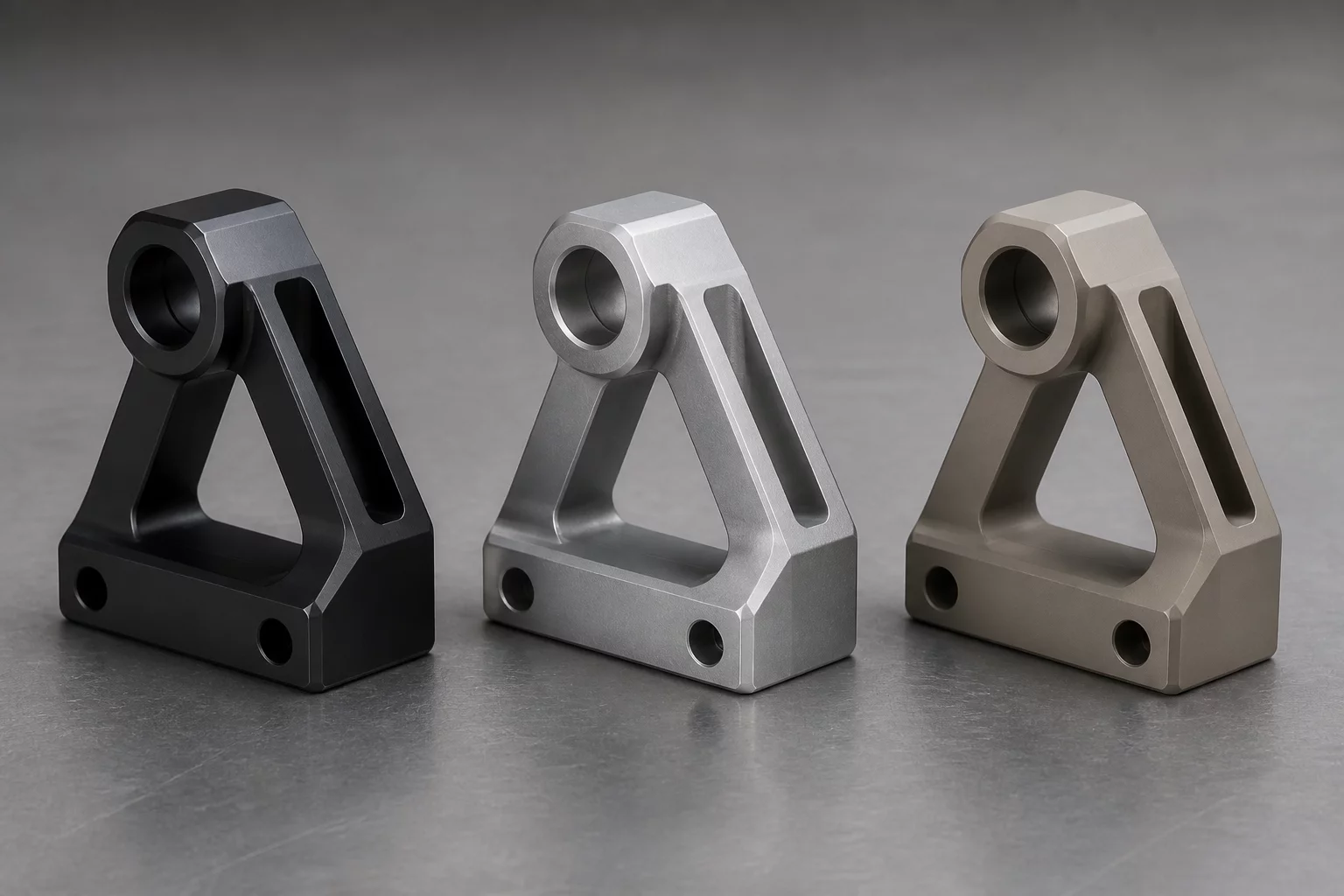
A physical baseline is the "control" of your printing trial. Before moving to a new revision, ensure the baseline print was produced under standard conditions. This includes using the same spool of material, as even different batches of the same brand can exhibit varying moisture levels or pigment-related flow properties. When you place Revision 04-B next to 04-A, the only difference should be the specific parameters you are testing. Otherwise, the context is lost to environmental noise.
- Ambient conditions: Record room temperature and humidity, especially for hygroscopic materials like Nylon or PETG.
- Machine state: Note the last time the bed was leveled or the nozzle was replaced; wear patterns can skew results.
- Slicer profiles: Export and attach the full parameter list to the trial report rather than just summarized changes.
Visual vs. Dimensional Comparison
There is a distinct difference between a part that "looks good" and a part that "works well." Qualitative comparison focuses on surface finish, stringing, and aesthetic consistency. Quantitative comparison utilizes calipers, micrometers, or 3D scanners to verify dimensional accuracy against the original CAD model. A revision that solves a stringing issue but causes a 0.2mm variance in a critical bore is often a net negative for production. A useful trial conclusion must address both aspects to provide a complete context for the next iteration.
"Useful comparisons don't just find the best version; they explain why the other versions failed and how to prevent those failures in the future."
Revision Control Logic
Naming conventions are the backbone of technical handoffs. Avoid vague names like "New_Test_Print" or "Better_Version." Instead, use a structured system such as [Project]_[Part]_[RevisionTag]_[VariableChanged]. For example, "DroneFrame_Arm_Rev03_FanSpeed50" provides immediate context to anyone reviewing the part months later. This level of detail ensures that successful trials can be scaled to full production without the need for repeated guess-and-check sessions.
Trial Discussion
2James D. Sterling
07/20/2026The precision of isolating single variables described here is exactly what we need for our aerospace prototypes. It prevents the 'settings soup' we often fall into when timelines are tight.
Add to the Context
To leave a comment, please log in to your account.